I step into founder-led businesses, run them, and increase their value.
For cash-flowing businesses doing $1–5M in revenue, I come in as the operating CEO for 12–24 months, take over execution, rebuild the growth engine, and get paid from the value I create, not the hours I bill.
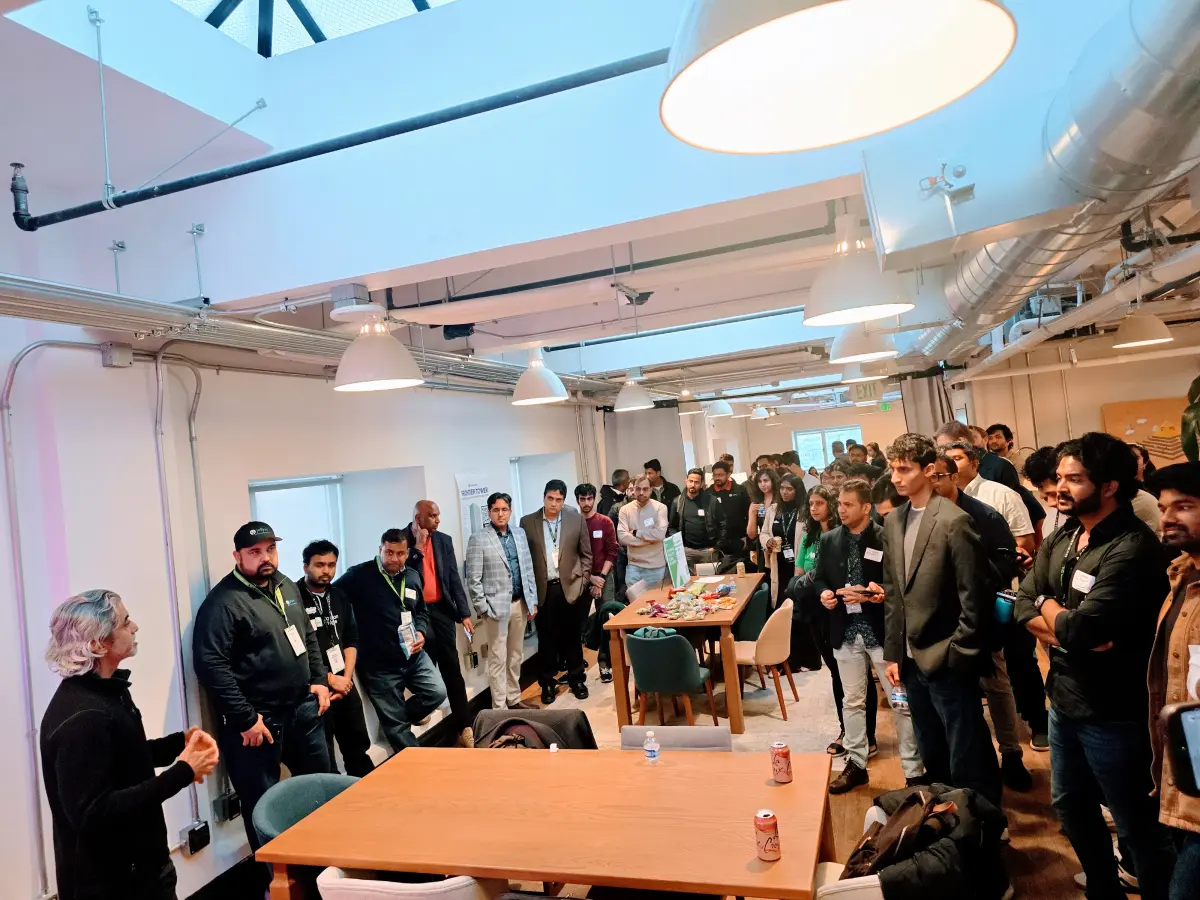
One business at a time. This is a full operating role, not a fractional engagement. The commitment is complete, the alignment is clear, and the compensation follows the value created.
The business
- $1–5M in annual revenue
- Founder-led and owner-operated
- Cash-flowing. There is real margin here.
- Not attractive to private equity at current scale
- Owner no longer wants to run the day-to-day
The owner
- Wants the business to grow, just not to run it daily
- Has other priorities: a new venture, family, health, life
- No identified successor or next generation taking over
- Recognises the business has more in it with the right execution
- Ready to hand over decision-making to someone who will own the outcomes
Not consulting. Not fractional. Something that actually works.
Most options for a founder who wants to step back involve advice, part-time support, or a sale. This is none of those. It is full operating accountability with compensation tied to what gets built.
Consulting
No decks. No advice billed by the hour. No recommendations that someone else has to execute. This is not a consulting engagement. It is an operating role.
Fractional
Not 10 hours a week alongside three other clients. The role is full: one business, full operating CEO responsibilities, for the duration of the engagement.
Compensation tied to value creation
Paid from what gets built, not time spent. The alignment is structural. If the business doesn't grow, there's no upside. That keeps the focus where it belongs.
How this works.
Establish a valuation baseline
Before anything moves, the business is valued at current state. This becomes the reference point for everything that follows and the basis on which value creation is measured.
Take over execution
12–24 months as the operating CEO. Full decision-making authority on operations, growth, and team. The owner steps back. The business moves forward.
Build growth and systems
Revenue, operations, and growth infrastructure rebuilt for the next stage, not patched for the current one. The work is durable, not cosmetic.
Revalue the business
At the end of the engagement, the business is revalued. The difference between where it started and where it is now is the basis for the operating partner's compensation.
Share in value created
Compensation comes from the upside, a pre-agreed share of the value created over the engagement. Structured clearly at the outset. No ambiguity.
Value-creation compensation removes the conflict of interest that exists in every hourly or retainer model. The operator is only well-compensated if the business is genuinely better. That alignment is structural, not aspirational.
25+ years building and scaling businesses across industries and geographies. The pattern recognition comes from doing it repeatedly, not from advising on it.
Three levers. Rebuilt for the next stage.
Most $1–5M businesses are underbuilt in the same three places. The engagement targets all three, not one at a time.
Revenue
- Pricing architecture reviewed and corrected
- Customer acquisition rebuilt with repeatability
- Revenue concentration risk identified and reduced
- Upsell and retention mechanisms added
- Sales process professionalized
Operations
- Owner dependencies removed from daily execution
- Team structure reviewed and often reset
- Core processes documented and systematized
- Reporting built so the business is legible
- Decision-making pushed down where it belongs
Growth
- Growth engine rebuilt for the specific market
- Positioning sharpened for the right customer
- Partnerships and referral channels activated
- Adjacent revenue opportunities scoped
- Business positioned for the next stage of scale
Industries with the right profile.
The model works best in service businesses with recurring or repeatable revenue and real margin potential. These are the categories where the pattern recognition is sharpest.
Healthcare Services
- Veterinary clinics
- Dermatology clinics
- Dental practices
- Med spas
Business Services
- Commercial cleaning
- Specialty trade services
- Agencies (marketing, staffing)
- Professional services firms
Local Multi-Unit
- HVAC & mechanical services
- Home services
- Franchise groups
- Neighborhood retail chains
Something else?
If the business is cash-flowing, founder-led, and the owner is ready to step back, it's worth a conversation regardless of the industry.
What I look for
- $1–5M annual revenue
- Cash-flowing with real margin potential
- Owner genuinely ready to step back
- Business has upside that execution can unlock
- Team in place or buildable quickly
- Owner aligned on value-creation compensation model
What I avoid
- VC-backed startups or high-burn businesses
- Founder-controlled environments where decisions can't be delegated
- Structurally broken businesses (no margin, no customer base)
- Owners who want oversight without stepping back
- Businesses where the owner IS the product
From the founders who handed over the keys.
Most clients prefer confidentiality, a standard in operating partnerships of this kind. Names have been changed to protect business identity.
"I'd been running the business for 11 years and was exhausted. Nitin came in, took over execution completely, and within 6 months the business ran better without me in the room than it ever did with me."
"What I needed wasn't advice. I needed someone to actually run the thing. Nitin didn't consult. He operated. The difference was immediately clear to my team and to me."
"Revenue was stuck. I knew the business had more in it but I couldn't see it anymore. Nitin rebuilt the growth engine and we scaled past a ceiling I'd been hitting for three years."
"The model made sense from the first conversation. He gets paid from the value he creates, not from hours. That alignment is what made me trust the process."
How an engagement starts.
Selective by design. The process is fast when there's fit, and honest when there isn't.
Is your business the right fit?
Share the basics: revenue, industry, and where you are as an owner. If it's a fit, the process moves fast.